Contamination in Durham City Parks
The Durham Contaminated Parks Advocacy Network is a resident-led effort to amplify community voices, hold decision-makers accountable, and advocate for a thorough, equitable, and transparent response.

What’s going on with the contaminated Durham parks?
In the early 1900s, Durham ran at least four trash incinerators. Around 1950, several sites became public parks, and the leftover ash and debris — glass, brick, ceramic, cinders — stayed in the ground and were used as fill. Incinerator ash from that era commonly carries lead. This is a century-old legacy, not recent dumping.
The affected parks are Northgate, East Durham, Lyon, East End, and Walltown, overseen together by NC DEQ under its program for old, pre-1983 landfills. Bingham Park appears in some materials but is a separate park in Greensboro, used only as a comparison — not a sixth Durham park.
A Duke University team measured soil lead in three of the parks and published it findings in December 2022, alerting the City late that year. The issue became public in June 2023 — and much of the early frustration came from that gap, since officials knew months before residents did.
Two bodies drive this: the City of Durham, which owns the parks, and NC DEQ, which runs the investigation and must approve any cleanup. The process runs roughly: finish the investigation, then NC DEQ drafts a Remedial Action Plan for each park, which opens for public comment, after which a remedy is chosen, funded, and built. A 2026 State Auditor review found that the state’s monitoring program has fallen behind, and a proposed Safe Parks Act (Senate Bill 958) would create dedicated cleanup funding. Check current sources for its status.
When a Remedial Action Plan is proposed, the public-comment period is the formal point at which residents can weigh in.
Featured News
Durham parks ranked last of big U.S. cities amid lead contamination, funding gaps
Durham parks were ranked last among the most populous U.S. cities, according to the Trust for Public Land’s 2026 ParkScore, a national evaluation system that considers access, acreage, amenities, equity and investment.
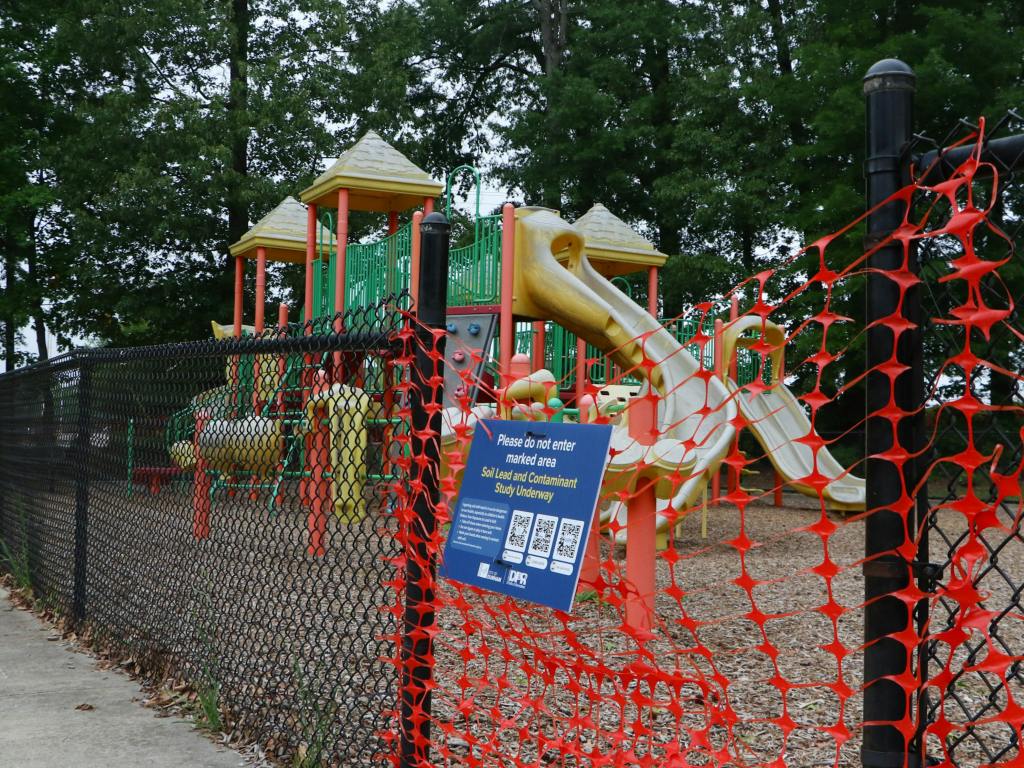
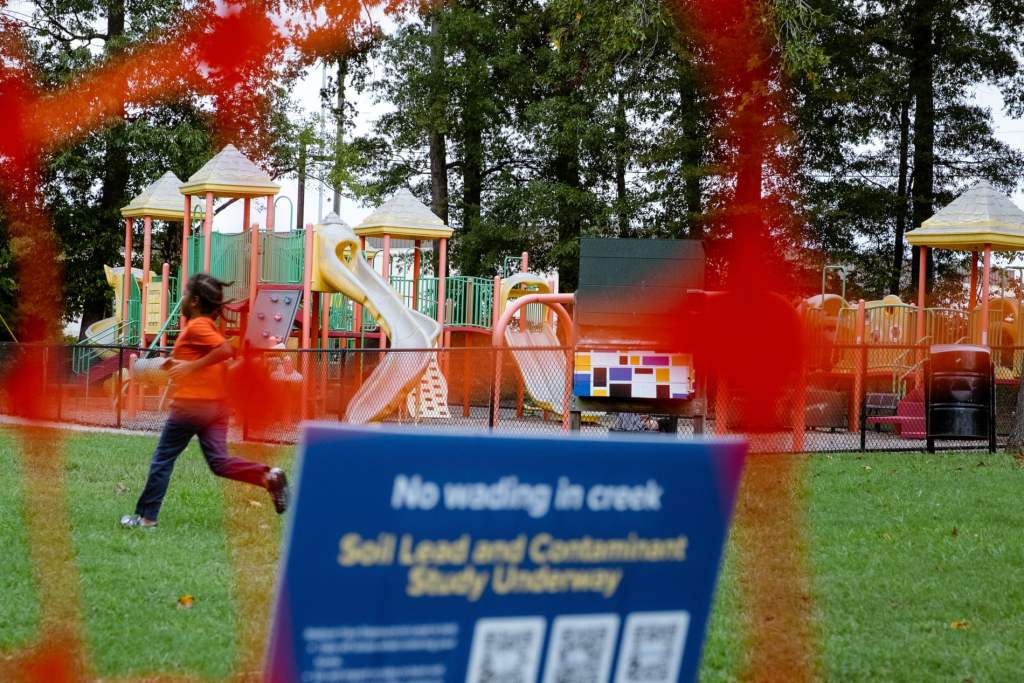
Segregation’s toxic past re-emerges in North Carolina’s lead-poisoned playgrounds
Lead was found in several parks in Durham, North Carolina, a legacy of industrial waste in the city’s Black neighborhoods – and worsening segregation doesn’t help.
“A serious environmental justice problem”: Duke U didn’t inform public about lead in Durham parks
Parks & Rec also sat on info that Walltown, East Durham and East End are affected. Residents to hold public meeting tonight on Zoom to discuss findings, remedies
